
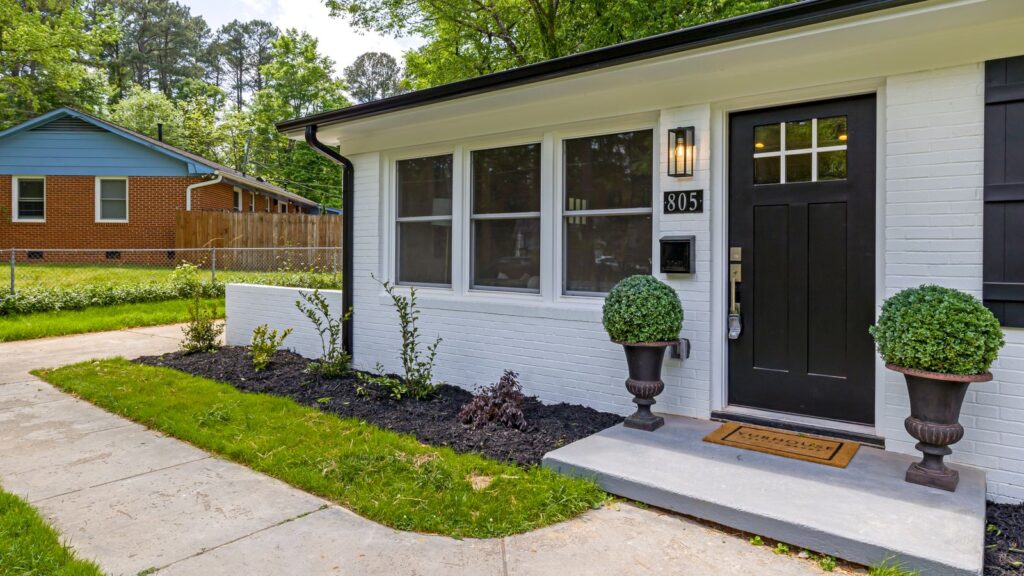
You said it out loud for the first time.
“We’ve outgrown this house.”
Maybe it came out in the car. Maybe at 10pm after everybody else went to bed. Maybe it slipped out mid-argument about where the laundry baskets live now.
Doesn’t matter where.
What matters is that it’s out. You can’t un-say it. And the house feels different the next morning.
The moment has a sound to it
It’s never dramatic. It’s usually one small thing that finally tips it.
- The playroom became every room.
- Somebody’s desk is a kitchen counter, permanently.
- The basement stopped being storage and started being a problem.
- You’re rearranging furniture again, and you already know it won’t help.
- You catch yourself scrolling listings in Stevens Creek at midnight with zero plan.
Nothing broke. The house didn’t fail you. It did exactly what a starter home is supposed to do. It got you in.
It’s just done now.
Here’s what usually happens next
Nothing.
That’s the part nobody warns you about. Saying it out loud feels like progress, so the pressure drops for a couple weeks. Then life eats the calendar and you’re back to rearranging furniture.
I see it every week in Lincoln. People sit in that gap for two, three, four years. Not because they’re lazy. Because the next step after “we’ve outgrown this” is genuinely unclear.
Think about what you’re actually being asked to solve. Sell a house you’re living in. Buy a different one. Fix the first one before anybody sees it. Line up financing for both. Move everything you own. Keep your job. Keep everyone fed.
And do it in an order nobody ever taught you.
The stall isn’t a discipline problem. It’s a sequencing problem.
Most people start by looking at houses. Seems logical.
Wrong end of the rope.
Looking first is what creates the panic. You find the four-bedroom near 84th and Old Cheney, you love it, and then you realize your house has carpet from a previous decade and you haven’t talked to a lender since the first purchase. So you let it go. And you feel a little worse about the whole idea.
Do that twice and you stop looking entirely.
That’s where I come in.
The Move-Up Method, in order
I run one sequence with move-up sellers so this becomes one move instead of two. Five steps, every time.
1. PLAN
A sit-down, no pressure, nothing signed. We dig into the real reason you want out, map the financing, map what your current house can actually do for you, and build a rough timeline. Most people leave this conversation calmer than they walked in, because for the first time the thing has edges.
2. PREP
This is where most moves die. The repair list is the wall. This is where HomePrep+ lives: I front and project-manage the prep work, paint, carpet, cleanouts, deep clean, the roof if it’s time. You don’t write a check up front and you don’t live in a construction zone while strangers walk through.
3. SEARCH
Now we look. On your criteria, with your plan behind it. Wilderness Hills, the Pine Lake corridor, Trendwood, the LSE and LSW zones, wherever the list actually points. Looking is fun again when it’s backed by a plan.
4. SELL
We sell the current house prepped, for what it’s genuinely worth, not what it’s worth with a to-do list hanging off it.
5. MOVING
The hardest week doesn’t land on you alone. We coordinate it.
Why the order matters more than the market
People wait on rates. People wait on the “right time to list.” People wait until the kids are older, which has never once made a move easier.
Meanwhile the stuff you can actually control sits untouched. The prep. The financing conversation. The plan.
Waiting doesn’t shrink the list. It grows it. And every decision you push to next year is a decision you’ll end up making tired, fast, and with less room to move.
A plan built now gets run calm. A plan built in month seven gets run in a panic.
Saying it out loud was step zero
You already did the hard part. Most people never let the sentence leave their mouth.
Now it’s just a matter of running the thing in order, with somebody who’s done it a few hundred times and has 100+ 5-star Google reviews from people who were standing exactly where you are.
Some moves take a weekend. Some take three years. Both are fine.
But you’ve outgrown this house.
You said it. Now go build the plan.
If your family is feeling the squeeze of a house you’ve outgrown, this is the exact framework I walk Lincoln families through – selling, buying, prepping, and moving without the chaos: See how the Move-Up Method works →