
Request Home Value Call

Stop fixing the house. Start moving up.

The HVAC is from 2004. The deck needs a full rebuild. The gutters are held together by a prayer. Every fix opens up two more, and the house is still too small. Here's how to stop bleeding money into a starter you're ready to leave.

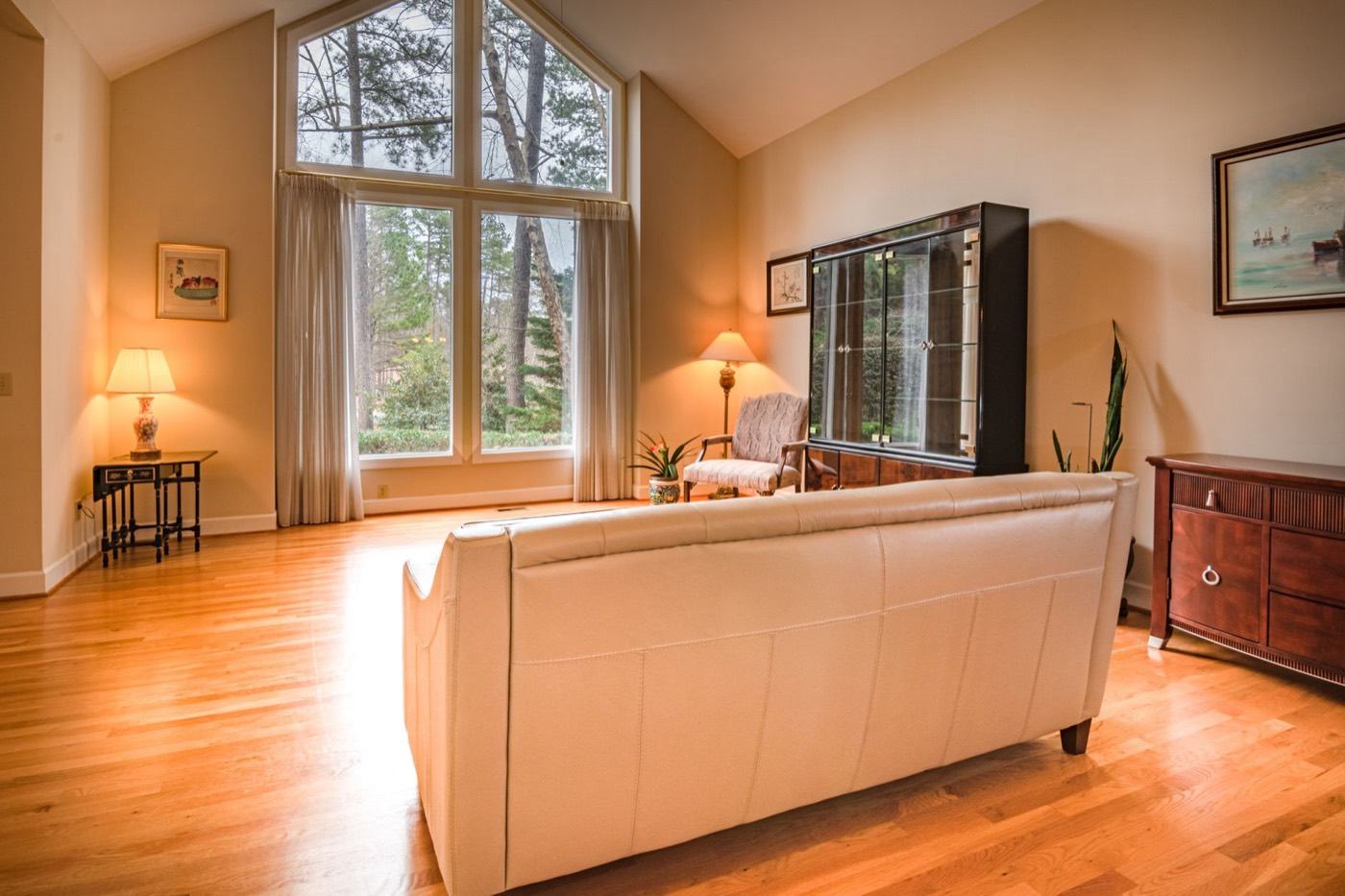
A living room with hardwood floors and tall windows
500+ transactions · Marine Corps veteran · SimpliCity Real Estate
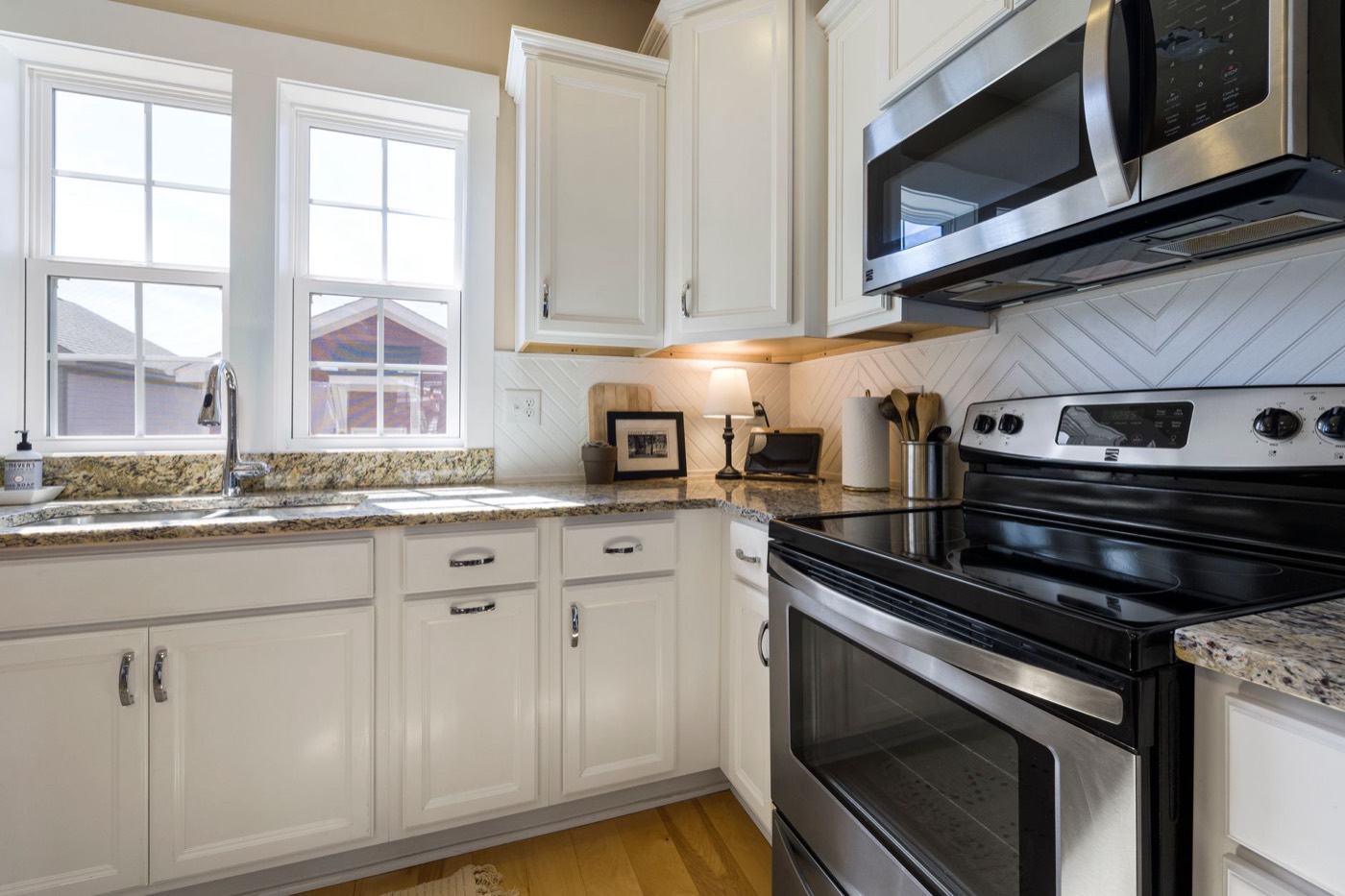
A white kitchen with stainless appliances
  1. You've been "just about to handle it" for two years

    The roof has a soft spot. The basement smells faintly of mildew after every hard rain. The kitchen faucet drips. The bathroom fan has never worked. The garage door springs sound like a death rattle.

    None of it is an emergency. All of it is exhausting.

    So you keep meaning to handle it. And it keeps not getting handled. And the list keeps getting longer.

    Meanwhile, the house is also too small. The bedrooms are shared. There's no dining room. Your home office is half the living room couch.

    You're paying twice: in the form of a house that doesn't fit AND a maintenance list that won't stop growing.

  2. The contrarian truth: don't fix it before you sell it

    Fixing everything before you list can spend money that never comes back in the sale price.

    Here's the math: spending a prep budget to chase a higher list price can net the same as listing the house as it sits. The fix didn't move you forward. It just moved cash around.

    The right play is targeted prep: only the work that meaningfully moves the price. Not the whole list. Not your honey-do backlog. Just the things that actually return more than they cost.

    That's what my Full Service listing is for. I walk your house and tell you exactly what to fix and what to skip. Prep coordination is included in Full Service, and the list of work is in writing before it begins.

  3. How the prep actually works

    Step 1: I walk your house with you. Sixty minutes. I tell you what to fix, what to skip, and what each item costs in real Lincoln contractor dollars.

    Step 2: We agree on a written prep scope before any work starts.

    Step 3: I project-manage the work. My contractors. My schedule. The scope stays in writing.

    Step 4: Listing photos when the house actually shows well. Pro photographer. Real marketing. Real buyers.

    Step 5: The listing goes up against that written scope, so the prep that was agreed is the prep that was done.

  4. How I handle a house that needs prep

    I treat a house that needs prep as the job. The scope is written down, and I coordinate the work.

    I run fewer listings and more of the work on each one. With Full Service, the prep is managed for you and the scope is agreed before work starts.

    "Wade and his team are incredibly professional and efficient. He is easy to work with, great with communication and gets the job done right and in a timely manner."
    Jamie B. · Google review

    If that's the kind of agent you want, let's talk.

Get the Lincoln move-up homes list

On our first call I'll tell you what's worth fixing on your current house and what to leave alone. On a Full Service listing, I manage the prep and the scope is in writing before any work starts.

Goes straight to Wade.

Questions

Common questions

What if the repair list is more than cosmetic prep?

We talk through it. Paint, carpet, light fixtures, and the punch list are the usual scope. Major systems (HVAC, roof replacement, foundation) are different conversations and we usually decide together whether to fix them or price the house accordingly. What is included is put in writing before any work starts.

What if my house does not sell after prep?

We price from recorded sales and prep against a written scope. A sale is never guaranteed. If the first plan is not drawing showings, we revisit price and presentation together.

How do you decide what's worth fixing?

I price your house both ways: as-is and prepped. If the prep work adds more value than it costs, we do it. If it doesn't, we skip it. I won't talk you into prep that doesn't pencil out.

What about the bigger items: HVAC, roof, deck?

Depends on the situation. Sometimes the right move is to credit the buyer at closing instead of fixing it. Sometimes it's worth fixing because it removes friction from the sale. We walk through your specific items on our first call.

How long does the whole process take?

From the first call to a listing depends on the prep scope. Closing follows the contract the buyer and seller sign. A sale date cannot be promised. We map the timing on the first call instead of guessing it here.

Stop fixing. Start planning.

Walk-through. No pressure. I'll tell you exactly what's worth fixing, and what you can stop worrying about.

Let's figure it out together.