Stuck because your house needs work?

Most agents will tell you to fix it first or take a beating on price. I do it differently. With my Fully Managed listing, I front up to $8,000 of repair costs out of my own pocket, run the prep work, and get reimbursed out of your sale proceeds at closing. You write no check before the listing goes up.

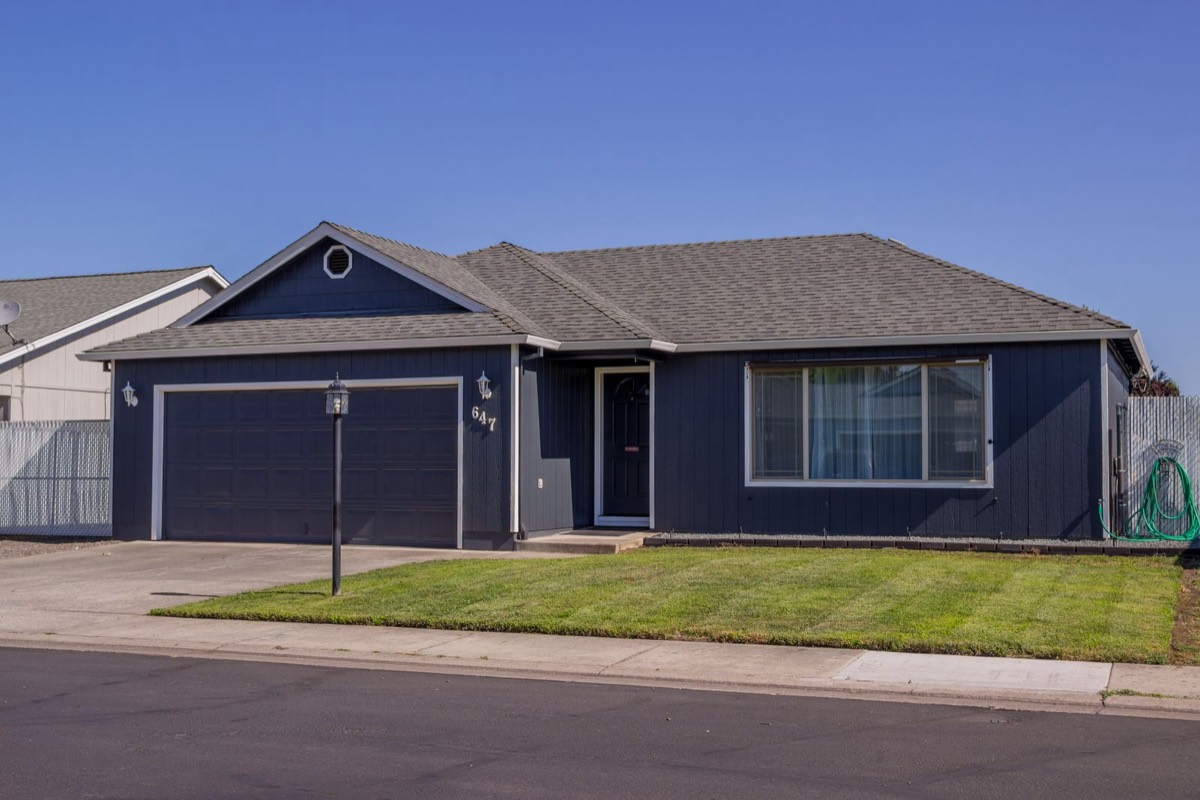
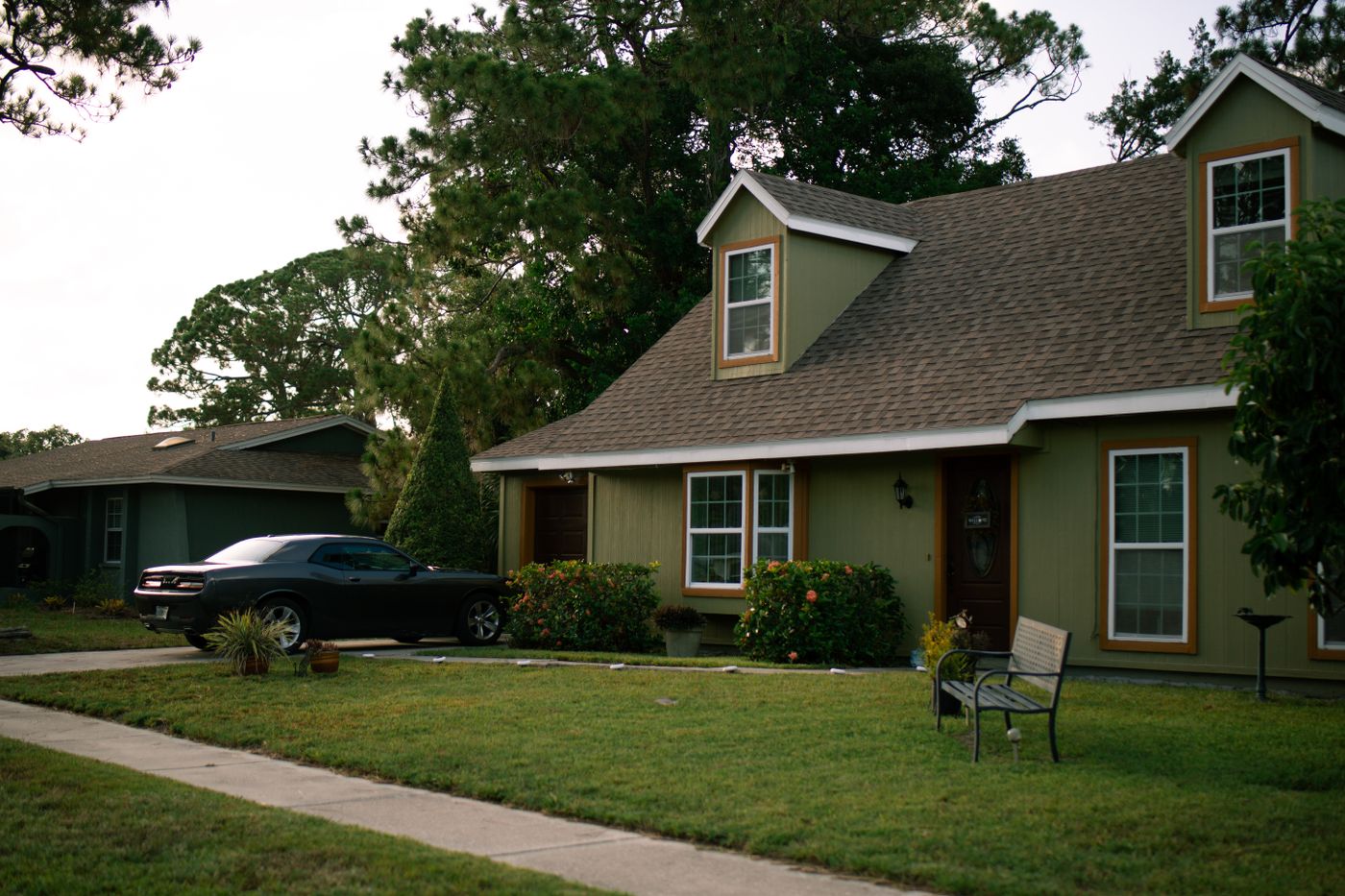
A lived-in family home with a wide front lawn and a car in the driveway
500+ career transactions · Top 25 in Lincoln · Top 1% in Nebraska · 5.0 stars · 100+ Google reviews

What "stuck" actually looks like

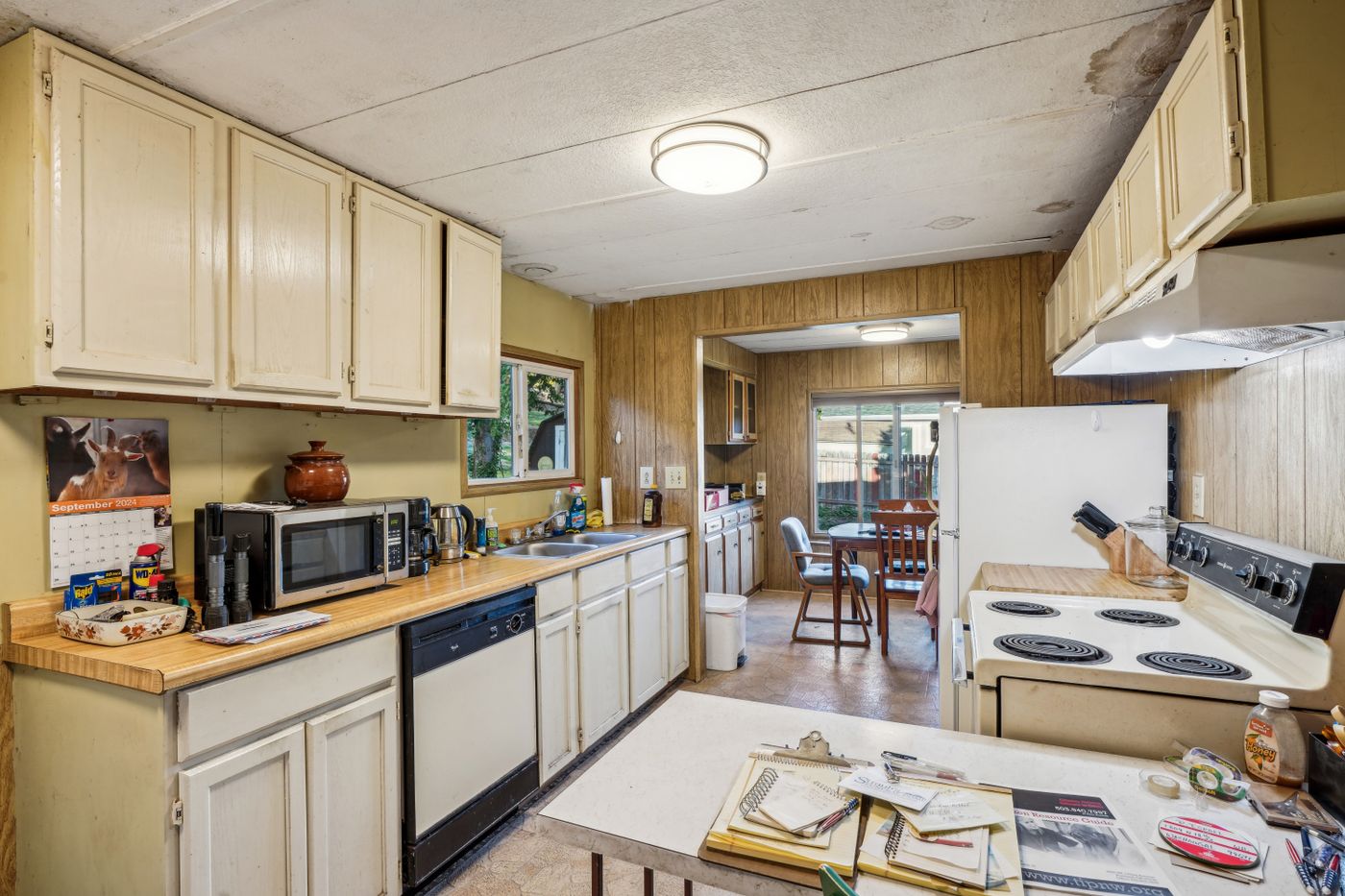
Dated kitchen with original oak cabinets and older appliances

You've got equity in the house. You need to move. The roof has a soft spot. The HVAC is on borrowed time. The carpet is beat. The basement smells. The kitchen is dated.

Three agents have come through. Each one told you the same thing: list it as-is and take $30K off, or fix it first and we'll talk.

You don't have $30K sitting in a drawer to fix it. And you can't afford to lose $30K in equity on the sale. So you wait. Or you give up. Or you take a beating you didn't deserve.

Nothing about that is a failure on your part. It's a sequencing problem. The money to fix the house is inside the house, and nobody will hand it to you until the house is fixed.

That's the exact situation I built the Fully Managed listing for.

Stuck isn't always about repairs

Packed moving boxes and furniture under dust sheets in an empty room

Repairs are the most common reason people call me stuck. They are not the only one.

Divorce. Two signatures, two attorneys, one house, and a timeline nobody fully controls. I work with divorce attorneys regularly and know how to run a dual-signature listing so neither side has to go through the other to get a decision made.

You inherited it. The house holds forty years of belongings, the siblings live in three states, and probate runs on its own clock. We start with what has to happen legally, then what has to happen physically, and we sequence the rest so nobody has to fly in twice.

The job moved. You have a start date in another city and a house here that isn't ready. Prep and marketing get compressed and run around you, including after you're already gone.

It sat on the market and expired. A house that didn't sell almost always failed on one of four things: price, photos, access, or agent follow-up. Send me the address and I'll tell you which one killed it, even if the honest answer is that you should wait six months.

You owe more than it's worth. Short sales are something I handle regularly, and there are options that don't involve listing at all. I'd rather walk you through those than sell you a listing that doesn't help.

Different reasons, same fix. Somebody has to take the whole thing off your plate and run it.

Why waiting usually costs more than the fix

House at twilight with the lights on at the end of another season

Sitting still feels free. It isn't.

The list grows. A soft spot in the roof becomes a stained ceiling. A slow basement leak becomes a remediation quote. Deferred maintenance compounds, and it compounds faster than almost anything else you own.

You keep paying to own it. Mortgage, taxes, insurance, utilities, upkeep. Another year of waiting is real money out the door on a house you have already decided to leave.

Buyers price the unknown high. When a buyer sees a repair they can't measure, they don't subtract the cost of the fix. They subtract the cost of the fix plus the cost of whatever they're afraid is hiding behind it. A $6,000 problem gets bid like a $20,000 one.

Your equity sits idle. Whatever you're waiting for, your money isn't working for you while it's locked in a house you don't want.

None of that means you should list tomorrow. Sometimes waiting really is the right call, and I'll say so if it is. It means the decision deserves real numbers instead of another year of avoiding it.

How I unstick you, step by step

Room mid-prep with patched walls, drop cloths and a ladder
  1. The walk-through. Free, about an hour. I come to your house and we go room by room. You leave that hour with three numbers: what the house is worth as it sits, what it's worth prepped, and what the prep would cost. No pressure to list, and nothing owed if you decide to do nothing.
  2. A written plan within 48 hours of signing. Scope, dates, who does what. Not a verbal promise you have to keep track of. A document you can hold me to.
  3. I front the prep costs. Up to $8,000 out of my own pocket. Roof, paint, carpet, landscaping, cleaning, staging, whatever actually moves the number. My contractors, my invoices, my cash. You write no check before the listing goes up.
  4. I run the work. You don't schedule contractors, chase quotes, meet anybody at the house, or pay anybody up front. I book the crews, supervise them, and pay them.
  5. We list when it shows well. Professional photos, drone, and the full marketing system. Priced off the house you have now, not the one you had before the carpet was replaced.
  6. Showings run around your life. Scheduled so you're not clearing out at dinnertime, with a written report every Monday: who came through, what they said, and what I'd change.
  7. I get reimbursed at closing. Out of your sale proceeds, line-itemed on the settlement statement. No separate bill, no surprises, and my money stays at risk until the sale closes.

What the first three weeks actually look like

Paint roller putting a fresh coat of white on an interior wall

Every house is different. This is the shape of it.

Week one. Walk-through, numbers, decision. If we're moving forward, paperwork gets signed and your written plan lands within 48 hours. I start booking crews that same week, because the calendar is the part that slips.

Week two. Work starts, usually in this order: what scares a buyer or an inspector first (roof, water, mechanical), then what shows (paint, carpet, fixtures), then what photographs (landscaping, deep clean, staging). You keep living your life. I meet the crews.

Week three. Punch list, final clean, staging, photos. We set the list date around your timeline, and if you're buying as well, we set it around the purchase so the two closings can line up.

Bigger jobs run longer. A roof replacement or a drainage fix can add a couple of weeks, and I'd rather tell you that at the walk-through than have you find out in week four.

What "Fully Managed" actually means

Staged living room ready for listing photos

Fronting the repair money is the part people remember. It isn't the part that does the most work.

Fully Managed is my premium listing, and what you're really buying is project management. The whole sale runs as one managed project:

  • A written plan with dates, in your hands within 48 hours of signing.
  • Prep funded up to $8,000 and run by my crews: scheduled, supervised, and paid by me.
  • Staging and professional photos included, not an upsell.
  • Showings scheduled around your life, with a written report every Monday.
  • Your move-out coordinated at the end, so the last week isn't the worst one.

You make three decisions: the price, the offer, and when to pack. I handle everything between them.

Not everyone needs all of that. If your house is already market-ready, I have simpler listing packages that skip the parts you don't need. We match you to the right one on the first call, and I'll tell you when the simpler one is the honest answer.

What's worth fixing, and what isn't

Hammer, tape measure, framing square and work gloves laid out on a wood floor

The most expensive mistake stuck sellers make isn't skipping repairs. It's paying for the wrong ones.

Paint, carpet, lighting, landscaping, and a deep clean return more than they cost almost every time in this market. New countertops in a kitchen the next owner intends to gut do not. Neither does the full bathroom remodel your neighbor swears by.

Then there's the third category: work that doesn't return the money but has to happen anyway, because an inspector will find it and a buyer will bid the unknown high. A roof at the end of its life. Water in the basement. A furnace on borrowed time.

I've done whole-house remodels on my own rental and investment properties, over ten of them. I've hired the trades, scheduled them, and written the checks myself, so I know where budgets creep and where work slips.

That's also why your project gets my contractor test. A good contractor shows up when they said they would, bids in writing, is licensed and insured, has references you can actually call, and never asks for all the money up front. Miss two of those and I keep looking.

If you want the short version before we ever talk, the fix-payback sheet below is the list I use myself.

Who I've done this for

Single-story ranch home with a fresh lawn, listed after prep work

The leaky-roof family in Hickman. Two kids, third on the way. $12K in roof repairs they didn't have. Three agents told them to fix it first or lose $30K. I covered the $12K, listed clean two weeks later, sold at full asking. Closed on their move-up home the same day.

The basement nobody else would touch. Finished basement that flooded twice in two years. Cosmetic damage on the walls. Two agents wanted them to drop the price $40K. A third wouldn't take the listing at all. I brought in a drainage contractor, fronted the fix and the cosmetic repairs, and listed at the number I knew the house was actually worth. Sold at list in nine days.

The divorce situation. Three kids, no income, notice of default in the mail. House needed work they couldn't afford. With both attorneys' approval, we signed paperwork and I went to work: carpets, garage door, yard, professional cleaning. Three weeks before foreclosure hit. Sold quickly. They paid the bank, paid me back, and walked away clean.

Why most agents won't do this

A sold banner going up over the for sale sign in a front yard

It's a real risk. I'm putting my own money into your house before it sells. If the sale falls apart, I'm out the prep money.

Most agents won't take that risk. They're running on volume: list 30 houses, take whatever closes, move on. A house that needs prep is friction.

I'm running differently. I built the crews and the systems to run prep as part of the listing, so a house that needs work isn't friction on my end, it's just the job. And I'll back that prep with my own cash because I know the system works.

It's called the Move-Up Method. It's the same system I use for young families upgrading from a starter home, just deployed for a tougher situation. Read the full method here.

"He's always been very consistent with his communication and very prompt to make payments when he's used my business as a contractor."
Brian D., Lincoln contractor · Google review

You don't have to have it figured out before you call.

Find out what it would take to get unstuck

Tell Wade about the house. He'll tell you what he'd fix, what he'd skip, and what it's worth either way.

Goes straight to Wade. Usually replies same day.

Common questions

How does the repair fronting work?

Up to $8,000 in repair invoices, contractor labor, paint, carpet, staging. I front it all out of my own pocket. You write no check up front. The cost comes out of your sale proceeds at closing, line-itemed on the settlement statement. Specifics depend on the house and the prep budget. We walk through the numbers on our first walk-through.

What is a Fully Managed listing?

My premium way of selling a house: the whole sale run as a managed project. Written plan with dates within 48 hours of signing, prep funded up to $8,000 and run by my crews, staging and photos included, showings scheduled around your life with a written report every Monday, and your move-out coordinated at the end. You make three decisions: the price, the offer, and when to pack. I also offer simpler listing packages if your house is already market-ready; we match you to the right one on the first call.

How long does it take from walk-through to listing?

Most prep projects list two to four weeks after we sign. Week one is the plan and booking crews, week two is the work, week three is punch list, staging and photos. Big-ticket items like a roof replacement or a drainage fix can add a couple of weeks. You get the realistic timeline at the walk-through, not after the work starts.

Do I have to list with you to get the walk-through?

No. The walk-through is free and there is no obligation attached to it. You get my read on what to fix, what to skip, and what the house is worth at each level of prep. Plenty of people use it to decide they should wait, or stay put, and that is a fine outcome.

What if my house doesn't sell?

That's on me. The way I structure these deals, my prep money is at risk if the sale falls apart. I'm only doing this because I've done it many times and the system works. We price right, we prep right, the house sells.

How big can the prep budget go?

I've done $2K cosmetic refreshes and $25K major repair packages. We'll talk through what's actually worth fixing for your situation. The goal is the highest net to you, not the most prep work.

Which repairs actually pay for themselves before a sale?

Paint, carpet, lighting, landscaping and a deep clean nearly always return more than they cost. Full kitchen and bathroom remodels usually do not, because the next owner has their own taste. A separate category has to happen regardless of payback: roofs at the end of their life, water in the basement, failing mechanicals. Buyers bid the unknown high, so those cost you more unfixed than fixed.

My listing already expired. Can you help?

Yes, and it usually starts with a diagnosis rather than a pitch. Houses that don't sell almost always failed on one of four things: price, photos, access, or agent follow-up. Send me the address and I'll tell you which one it was, even if the answer is to wait six months or re-list with somebody else.

What if I inherited the house and it's full of belongings?

That's a normal project for me. We work out what has to happen legally first, then handle the cleanout, haul-away and donation runs as part of the prep, so out-of-town family isn't flying in for weekends of sorting. Estate situations with several heirs also need one point of contact, and that's my job.

What if I owe more than the house is worth?

Short-sale situations are something I handle regularly. Let's talk on a free, no-pressure call and I'll walk you through your options, including some that don't involve listing at all.

I'm going through a divorce. Can you handle that?

Yes. I work with divorce attorneys regularly and know how to handle dual-signature listings, equity splits, and tight timelines. We can structure this so both parties' interests are protected.

Are you also a Marine veteran?

Yes. Five years active duty (2011-2016, southern California). I help VA-loan buyers and veteran sellers regularly, and I'll fight for VA deals other agents won't touch. More on Wade's Veterans/VA loan work.

What Fixes Actually Pay Back in Lincoln

Which pre-sale projects return your money in this market, and which ones just fund the next owner's taste.

No spam and no calls you did not ask for. Just the guide, plus the occasional note when something in this market actually changes.

Tell me what's going on with your house.

Free walk-through. No pressure. No pitch. I'll tell you the real number and what it would take to get there, even if you decide not to list with me.

Let's figure it out together.