Request Home Value Call

There's a dining room table under there somewhere.

You need another bedroom and a door that closes. When every room is doing two jobs, the house is too small. Here's how to fix it.

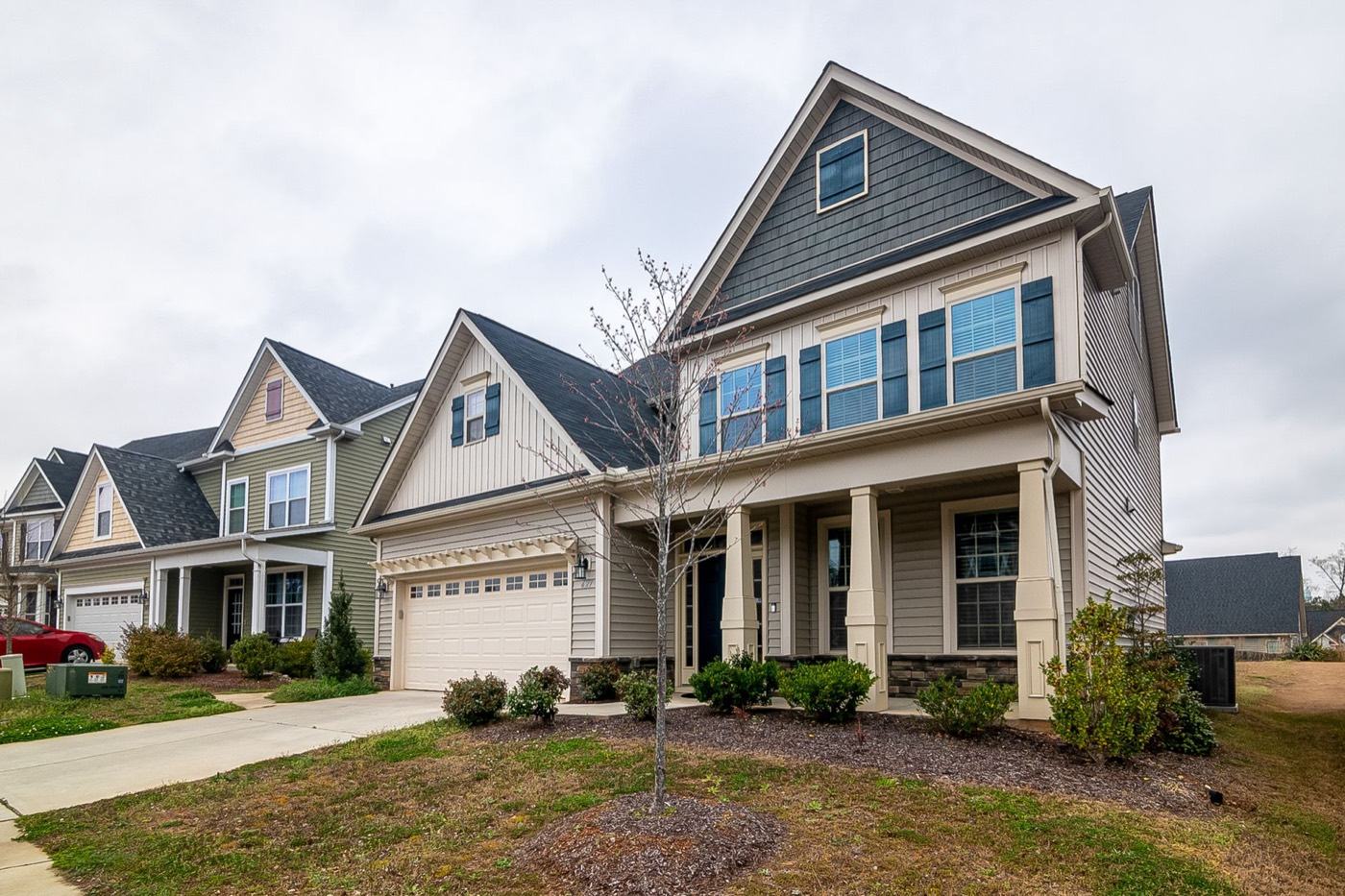
A large two-story house on a quiet street
500+ transactions · Marine Corps veteran · SimpliCity Real Estate
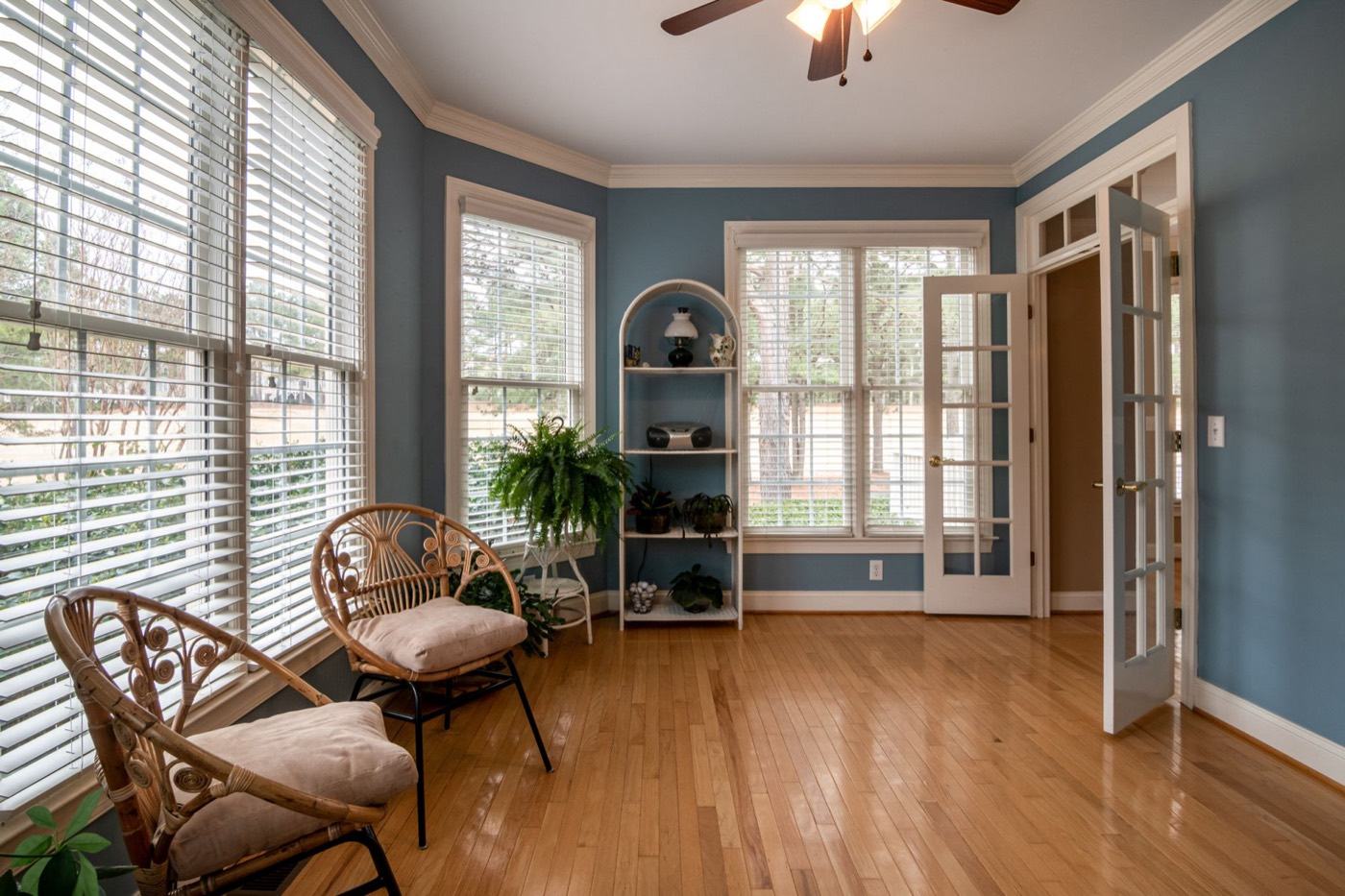
A sunroom with tall windows and hardwood floors
  1. You can't see the floor anymore

    Coats, boxes, and gear with nowhere to go. The dining room is storage. A bedroom is doing two jobs.

    You have not used the dining room as a dining room in years because it is storage.

    This isn't a you problem. This is a square footage problem.

    And it's more solvable than you think.

  2. What changes when you have enough space

    Everyone who needs a bedroom has one, and you can close the door.

    There's a real dining room where you eat real dinners.

    The dog has somewhere to go that isn't the middle of your living room.

    You can take a call without leaving the room you are already in.

    You can host. You can breathe. The house stops feeling like it's closing in.

  3. Why the move stays on the list

    For a lot of owners, the hard part isn't money. It's the decisions.

    You're already managing too much. Adding "sell our house, buy a new one, coordinate the timing, deal with showings, pack, move" to your plate feels impossible.

    So you don't start. And the overflow keeps spreading.

    That's the whole reason The Move-Up Method exists. I run the process so you don't have to. You make decisions when it matters and stay out of the weeds the rest of the time.

Moving boxes stacked in a bright room
  1. The Move-Up Method in plain English

    1. Plan. One call. Real numbers on what your current house is worth and what you can afford next. Real timeline.

    2. Prep. First things first: I walk your house and tell you what needs to happen before we list. Full Service includes prep management, with the included work written down before a crew shows up.

    3. Search. Once your house is list-ready, we hunt. Filter is built around the house: bedrooms, square footage, and a door that closes.

    4. Sell. Pro photos, real marketing, listed on your timeline because the prep is already done.

    5. Close. We aim for back-to-back closings; matching dates can't be guaranteed.

  2. Who I help with this

    Buyers who started in a smaller house and now need another bedroom, more storage, and a dining room.

    Households that need another bedroom, more storage, and a dining room.

    People who have not had a quiet conversation in their own living room in months.

    You're not stuck. You just need a plan.

Get the Move-Up Playbook

Four short questions. The Playbook is emailed to you, along with Wade's read on which path fits your situation.

When do you want to be moved into the next house?
What's pushing the move?
Do you need to sell your current home to buy the next one?
How ready are you to actually start?
Where should we send your Playbook?

Here is what lands in your inbox in about a minute:

  • The Move-Up Playbook. A 4-page PDF covering the four ways to sell and buy at the same time, what each one really costs, the 90-day timeline, what to fix before listing and what to skip, and the five things that can derail closings set close together.
  • Which path fits you. Based on the four answers you just gave, not a generic template.
  • A real valuation if you want one. Reply and Wade will work out your actual equity picture. No pitch, no obligation, and no call center. Just Wade.

Questions

Common questions

How much bigger of a house can we actually afford?

Depends on your current equity, your income, and your debts. Buyers are often surprised by how close the math is, usually closer than the fear. We run the real numbers on our first call.

Do we have to fix our house before we list?

No. I coordinate the prep as part of Full Service, and we agree on the written scope before any work starts.

What if we find the new house before we sell ours?

Common situation. We have options: bridge financing, contingent offers, or timing the closings tight so it works out. On our first call we map out which approach fits your finances and your patience.

How long does the whole thing take?

Timing depends on both contracts; we map it on the first call.

What's the first step?

15-minute call. You tell me what's going on, I tell you what's realistic, you decide what to do with that. No pressure either way.

Let's give everybody a door.

15-minute call. No pressure. We'll figure out what moving up would actually look like for you.

Let's figure it out together.