
Fix these. Skip these.
That’s the whole conversation most sellers never get.
You’ve outgrown the starter home. You know it needs work before it goes on the market. So you start a list. The list grows. Then somebody at work tells you to redo the kitchen and somebody else says don’t touch a thing, and now you’ve been sitting on it for two years.
I see it every week. So let’s cut through it.
The rule that decides everything
A buyer walking through your house is not grading it. They’re subtracting.
Every scuffed wall, every stained carpet, every water stain on the ceiling becomes a number in their head. And that number is always bigger than what the fix actually costs you.
So the repairs that pay you back are the ones that stop the subtracting. The repairs that don’t pay you back are the ones you’d enjoy if you were staying.
You’re not staying.
Repairs that pay you back
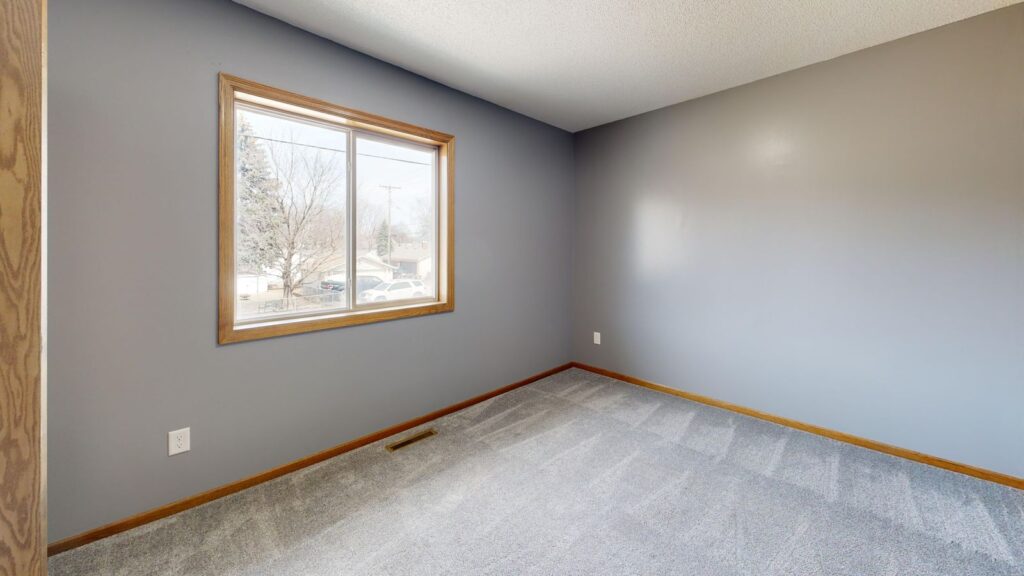
- Paint. Nothing else moves the needle this hard for this little. Neutral, wall to wall, ceilings included if they’re tired. A freshly painted house reads as cared for before anyone opens a closet.
- Flooring that’s visibly done. Carpet with a decade of kid traffic in it doesn’t photograph as “lived in.” It photographs as work. Replace the worst of it.
- Deep clean and declutter. Boring. Undefeated. An empty, spotless basement in Trendwood shows as square footage. A full one shows as somebody else’s junk.
- Anything an inspector will flag. Loose railings, missing GFCIs, a water heater strapped wrong, a soft spot in the deck. These are cheap now and they’re leverage against you later.
- Active water. A wet basement corner, a failing sump, a downspout dumping against the foundation. Buyers forgive old. They do not forgive wet.
- Curb appeal, the first ten feet. Trim the overgrowth, edge the beds, fix the front door, mulch. The photo people see first is the front of your house.
- The roof, if it’s actually done. Not “getting up there.” Done. A roof at the end of its life kills more move-up sales in Lincoln than any other single item.
Notice what those have in common. They’re all about removing doubt. None of them are about taste.
Repairs that don’t pay you back
- A full kitchen remodel. You’ll spend months and eat the disruption, and the buyer will still want their own backsplash. Update hardware, paint the cabinets, fix what’s broken, stop.
- Bathroom gut jobs. Same story. New fixtures and fresh caulk get you most of the credit.
- Windows. Almost never returns what you put in on a starter home. Buyers notice broken seals and fogging, so fix those. Wholesale replacement is a gift to the next owner.
- Finishing the basement. If it isn’t finished now, finishing it to sell is a losing trade. Clean it, dry it, light it, leave it.
- Replacing a furnace or AC that works. Old and working is fine. Serviced with a receipt is better. Broken is the only version you have to solve.
- Anything that over-improves the block. A high-end upgrade in a neighborhood of comparable homes doesn’t get paid for. The comps set the ceiling, not your ambition.
- Landscaping projects. A patio, a pergola, new trees. That’s for a house you’re keeping.
The part that actually keeps people stuck
Here’s what nobody tells you. Most families I meet already know roughly which repairs matter. That’s not the wall.
The wall is that the money for prep is sitting inside the house they haven’t sold yet. And nobody wants to live in a construction zone with a job, a school pickup line, and a dog.
That’s where I come in.
PREP is step two of The Move-Up Method, and it runs on HomePrep+. I front the sale related prep and project manage the vendors. You don’t write a check up front and you don’t become a general contractor on nights and weekends. Paint, carpet, cleanout, deep clean, roof. Sequenced, scheduled, done.
Prep is one step, not the whole move
PLAN. PREP. SEARCH. SELL. MOVING.
Five steps, one sequence, one move instead of two. So the repair list isn’t a standalone project you white-knuckle before you’re allowed to start looking. It’s scheduled against the day you actually want to be sitting in a four bedroom near Stevens Creek, the Pine Lake corridor, or inside the LSE zone off 84th and Old Cheney.
You don’t need to fix everything. You need to fix the right things, in the right order, without draining the account you’re saving for the next house.
Fix what buyers subtract for. Skip what you’d only enjoy if you were staying.
]]>If your family is feeling the squeeze of a house you’ve outgrown, this is the exact framework I walk Lincoln families through – selling, buying, prepping, and moving without the chaos: See how the Move-Up Method works →